AI Facial Recognition System – Transforming Access Control and Identity Management in the USA
Understanding AI Facial Recognition Technology
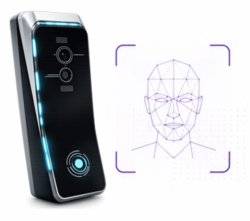
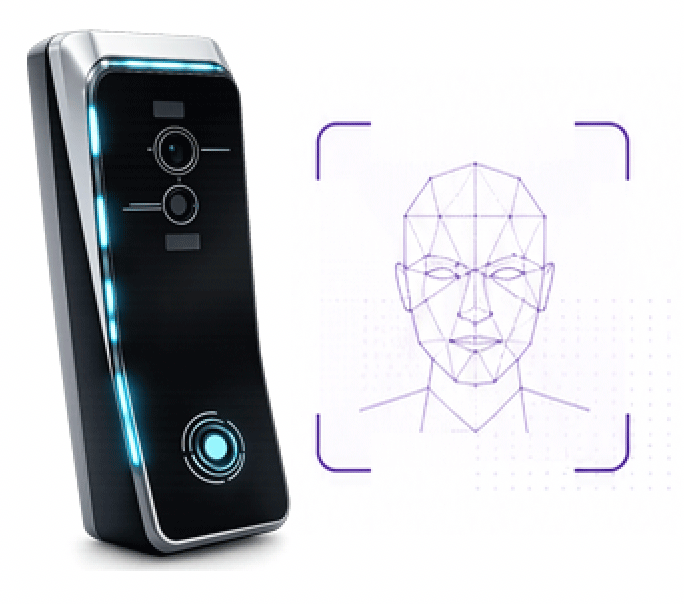
Artificial intelligence is transforming how organisations manage security, verify identities, and control access to restricted facilities. An AI facial recognition system uses machine learning, computer vision, and biometric analysis to identify or verify individuals based on unique facial characteristics. These systems are increasingly being adopted across corporate offices, healthcare facilities, airports, educational institutions, government buildings, and industrial environments throughout the United States.
Unlike traditional security methods that rely primarily on passwords, identification cards, or PIN codes, AI-powered facial recognition provides an additional biometric verification option. It can help organisations improve entry management, reduce dependence on physical credentials, and strengthen their overall security infrastructure.
How Edge AI Facial Recognition Works
Faster Processing Through Local Intelligence
Edge AI facial recognition refers to facial recognition technology that processes biometric information directly on local devices, cameras, or edge computing hardware rather than depending entirely on remote cloud servers. This approach can reduce processing delays, minimise network dependency, and support faster identity verification.
For businesses operating in locations with limited network connectivity, Edge AI facial recognition offers an important technological advantage. Facial analysis and matching can take place closer to the point of entry, allowing access decisions to be processed efficiently.
Another benefit of Edge AI facial recognition is the potential to reduce the amount of biometric information transmitted across networks. Depending on the system architecture, organisations can process certain information locally while maintaining appropriate encryption, security controls, and data retention policies.
AI Access Control System for Modern Facilities
Improving Building Security and Entry Management
An AI access control system combines artificial intelligence with electronic security infrastructure to manage who can enter specific buildings, rooms, or restricted areas. It can integrate facial recognition cameras, biometric readers, door controllers, visitor management platforms, and centralised security software.
Modern businesses use an AI access control system to simplify employee authentication, manage visitor entry, and monitor access to sensitive locations. For example, a corporate office can configure different access permissions for employees, contractors, visitors, and management personnel.
A properly configured AI access control system can also maintain access logs and generate security alerts based on predefined rules. These capabilities help security teams monitor entry activity, investigate unusual events, and manage permissions more efficiently.
AI Identity Management and Digital Security
Managing Identity Across Multiple Locations
AI identity management involves using artificial intelligence to support identity verification, authentication, user administration, and access governance. It helps organisations manage digital and physical identities across different systems and locations.
In large organisations, managing employee credentials manually can become complicated, particularly when workers move between departments, buildings, or operational sites. AI identity management can support automated identity verification and help security administrators maintain consistent access policies.
When integrated with facial recognition and access control platforms, AI identity management can provide a more coordinated approach to identity administration. Organisations can connect identity records with authorised permissions, monitor access activity, and update credentials when employee roles or responsibilities change.
Choosing the Right AI Security Solution
Accuracy, Privacy, and System Integration
Selecting the right biometric security technology requires careful evaluation of accuracy, processing speed, hardware compatibility, scalability, and cybersecurity. Businesses should assess system performance under different lighting conditions, camera positions, and environmental situations.
Privacy is equally important. US organisations must consider applicable biometric privacy laws, including Illinois’ Biometric Information Privacy Act (BIPA), where relevant. Clear consent procedures, secure biometric storage, encryption, limited data retention, and appropriate access permissions help support responsible technology deployment.
Organisations should also evaluate whether their chosen platform integrates with existing security cameras, employee databases, visitor management software, and building management systems.
The Future of AI-Powered Identity Verification
AI-powered security technologies are creating new opportunities for businesses across the United States. From faster biometric verification to intelligent access management, these solutions can help organisations modernise their security operations.
Combining facial recognition, edge computing, access control, and identity management creates a more connected approach to facility security. With appropriate human oversight, privacy safeguards, and reliable system design, these technologies can support safer workplaces and more efficient identity verification.